What the Weather Here Does to It
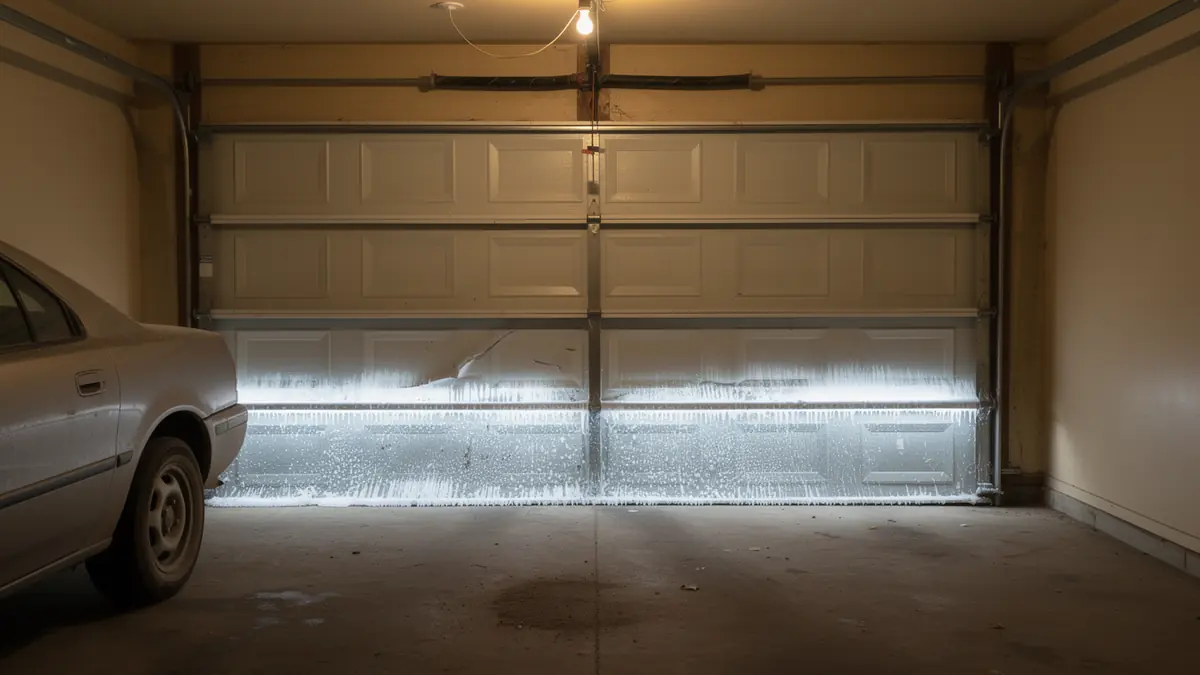
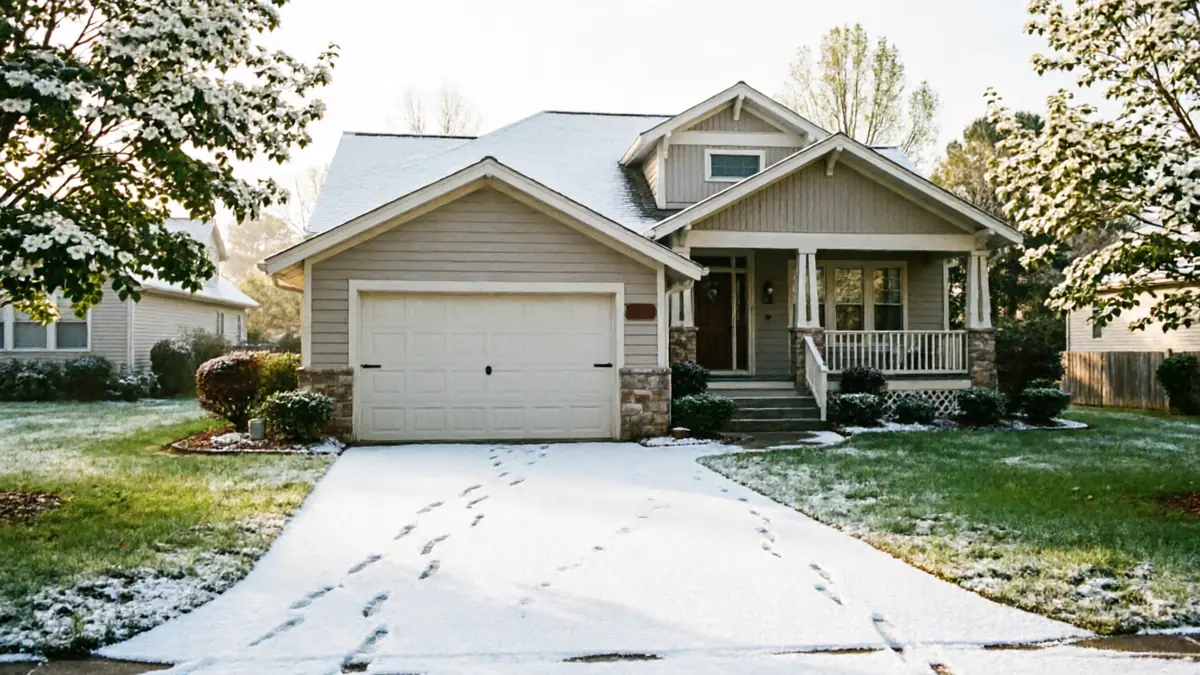
Johnson City sits in a cold moderate climate band, which means winter brings ice storms and the kind of cold snaps that take the power grid down for hours at a stretch, not just minutes. When that happens, your opener goes dead along with the lights. Most houses in this service area were built between 1958 and 2001, with the bulk of the stock dating to the 1960s and 70s, so a lot of these openers are originals or first replacements - chain-drive units with no battery backup built in. Cold also thickens the grease in an older chain-drive rail, which makes the opener's motor work harder even when the power is fine, and that extra strain is what burns out a capacitor or a drive gear years before it should. If your opener is straining audibly on cold mornings, that's not normal wear you should ignore until spring - it's usually the first sign the gear or capacitor is close to done, and a cold snap with a power cut on the same week is a bad combination to find out the hard way.
What Most People Get Wrong
The most common mistake we see: a homeowner loses power, assumes the opener is broken, and starts troubleshooting the motor. Nine times out of ten the door itself is fine - it's just that the opener has no juice, and the manual release cord (the red handle hanging from the trolley) is sitting right there unused. Pull it, and you can lift the door by hand as long as the springs are doing their job. The second mistake is pulling that release cord with the door up, then forgetting to re-engage the trolley before power comes back - the opener will run, the carriage won't catch, and people think the whole unit failed. On the older chain-drive openers common in this area's 1960s-70s housing stock, that trolley latch can be stiff and easy to miss in the dark during an outage.
When Waiting Is Fine
If the power's out and the door is working fine on manual release, there's no reason to call anyone. Close it by hand, lock it if your model has a manual lock, and wait for the power company. An opener that won't engage right after power returns is often just a trolley that needs re-latching, not a repair call. Where it's not fine: if the door was already sticking or making noise before the outage, because the extra manual cycling during a power cut can finish off a spring or cable that was already near the end of its life. We don't recommend waiting on anything making a grinding or popping noise, outage or not.
The Situation
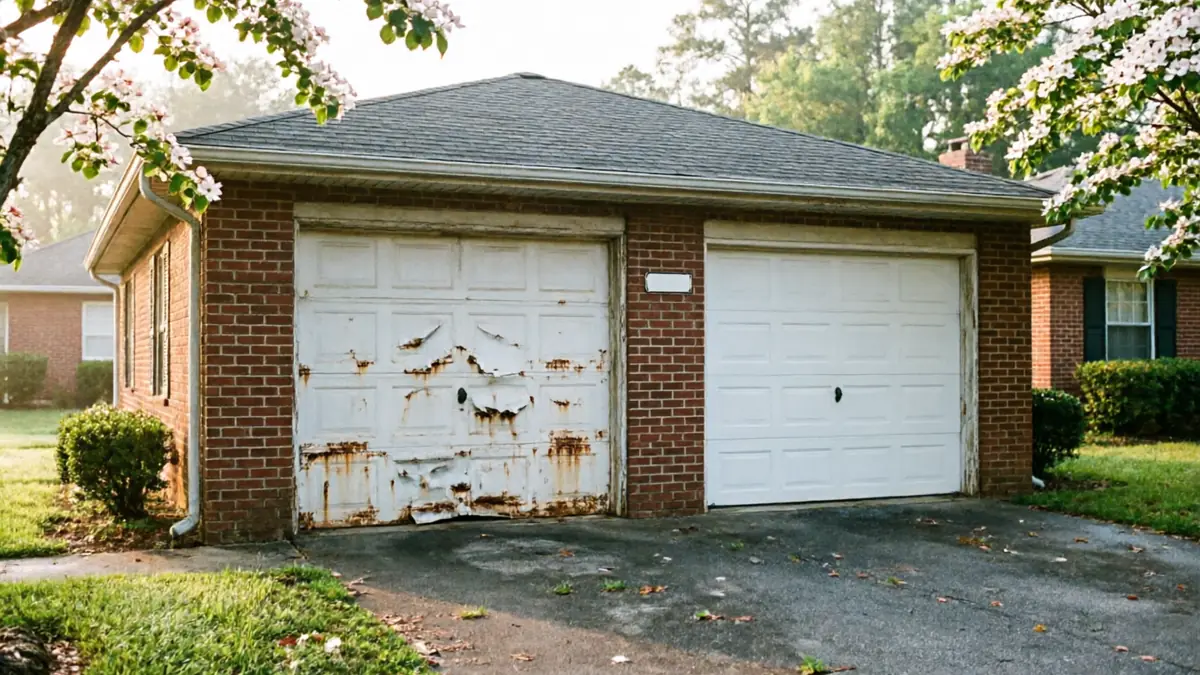
Across this service area - Central, Pine Crest, Jonesborough, Oak Grove, Gray, and the rest of the towns out to Butler - there are roughly 42,230 households and 22,358 owner-occupied houses, a lot of them built in the same two-decade stretch when chain-drive openers without battery backup were standard. Median household income here is $54,953, which is part of why most people want the opener repaired rather than replaced outright when a motor or capacitor goes. That's usually the right call if the rest of the unit is sound. Where it isn't: openers original to a 1960s build are old enough that parts for the specific model are often gone, and at that point patching one component just delays the same failure by a season.
Talk to a local pro
Garage door trouble in Johnson City?
Same-day service with honest, upfront quotes.