
Income shapes door choice
What we will say is that median household income in Elizabethton runs around $44,834, noticeably under the wider service area's $54,953, and that shapes which doors we walk people through first.
Elizabethton, Johnson City
Elizabethton sits 8 miles from our Johnson City shop, and most of its houses date to the 1960s. Here's what that means for sizing and installing a new garage door.
Local causes
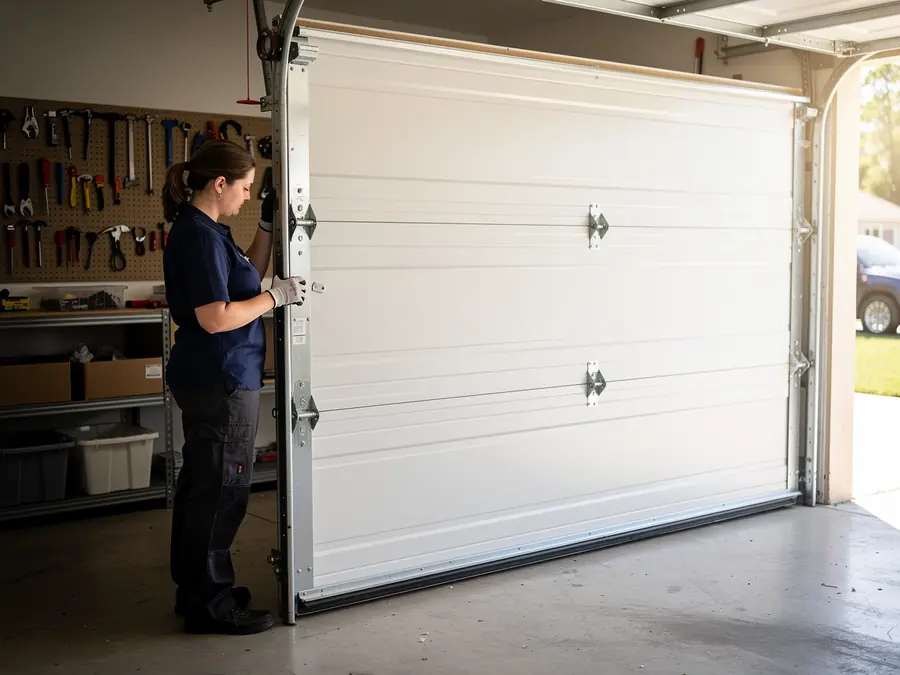
Elizabethton is about 8 miles from the Johnson City shop, close enough that we can get a crew and a full trailer of install hardware out here on a set date without losing the morning to the drive. That distance matters less than what's waiting at the house once we arrive. The service area as a whole was built mostly between 1958 and 2001, with a median around 1975, but Elizabethton skews older than that - the typical house here went up around 1964. A door built for a 1964 opening is a different animal from one built for a 1980s double-wide garage. Older single-car and narrow double openings here often still carry their original steel slab door, sometimes converted from extension springs to torsion stock at some point along the way, and that conversion is rarely done to current sizing standards. New installs here start with measuring the opening against what the house actually is, not what a standard size sheet assumes.
Pricing
We don't post prices for new door installs because the number depends on door style, insulation, and what the existing opening needs to make it work - we're not going to put a figure here that isn't backed by a fact.
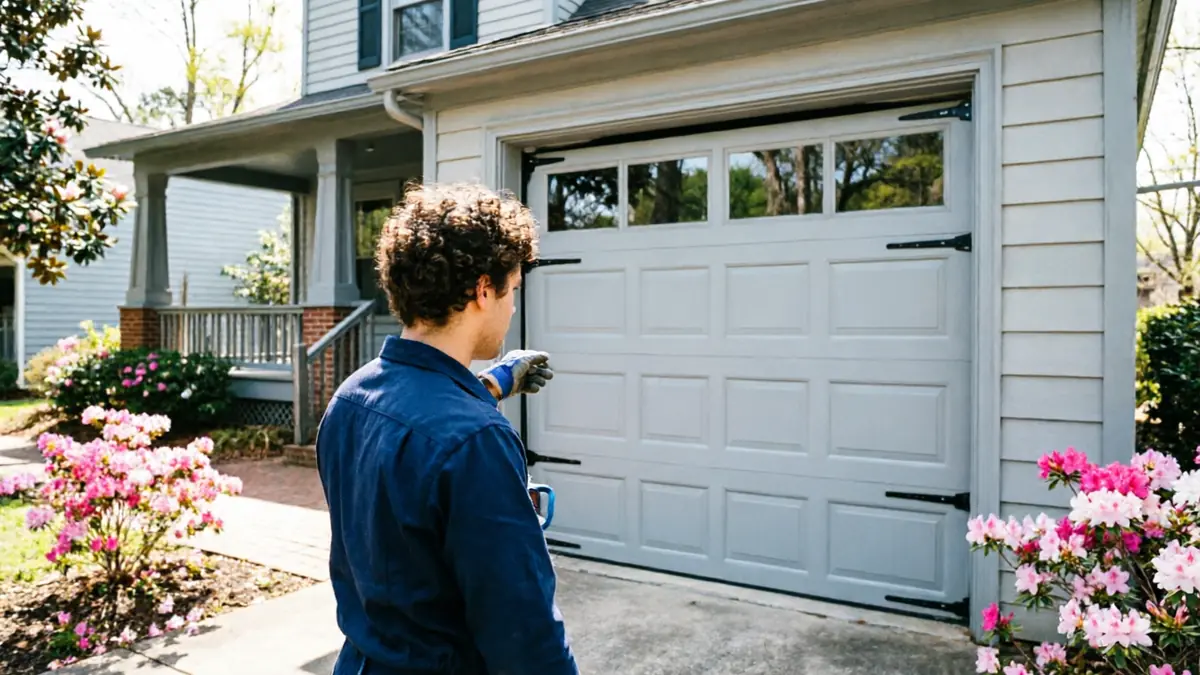
What we will say is that median household income in Elizabethton runs around $44,834, noticeably under the wider service area's $54,953, and that shapes which doors we walk people through first.
A lot of households here are choosing a solid single-layer steel door over a heavier insulated unit, not because insulation doesn't matter but because the up-front gap has to make sense on a fixed budget.
Our honest limitation: if a homeowner wants the fully insulated, higher R-value door and the budget won't stretch, we're not going to pretend a cheaper slab does the same job in a cold winter - we'll tell you which corners cost you later.
Warning signs
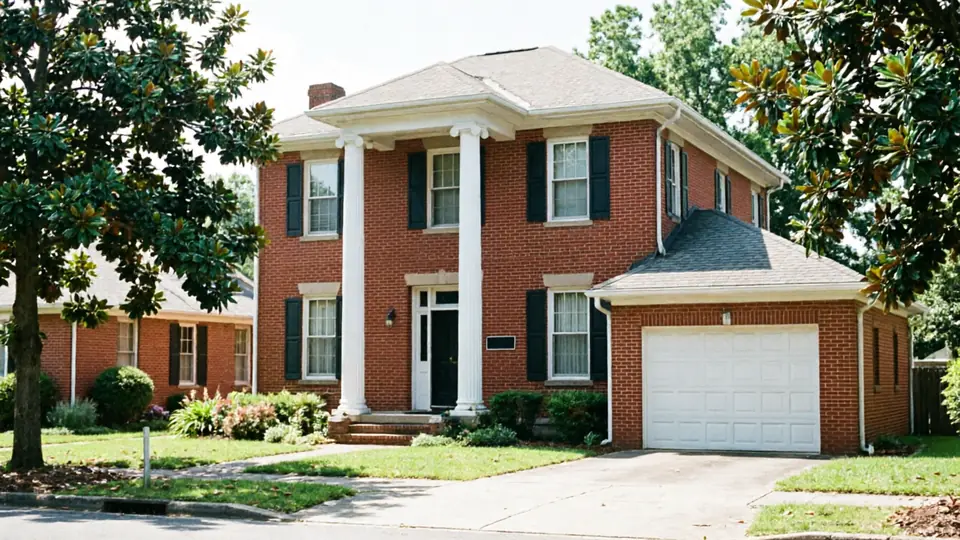
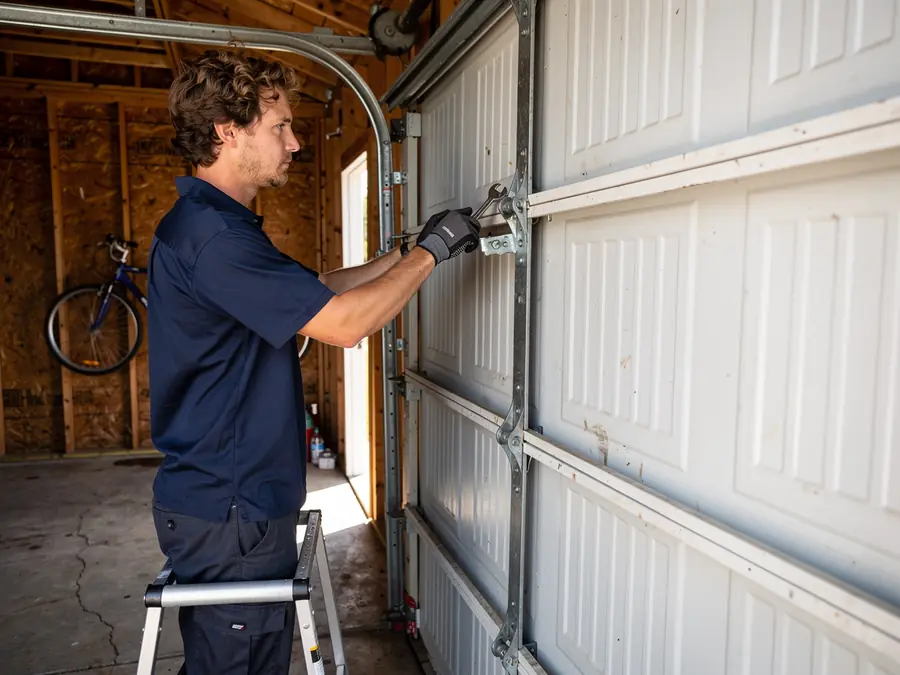
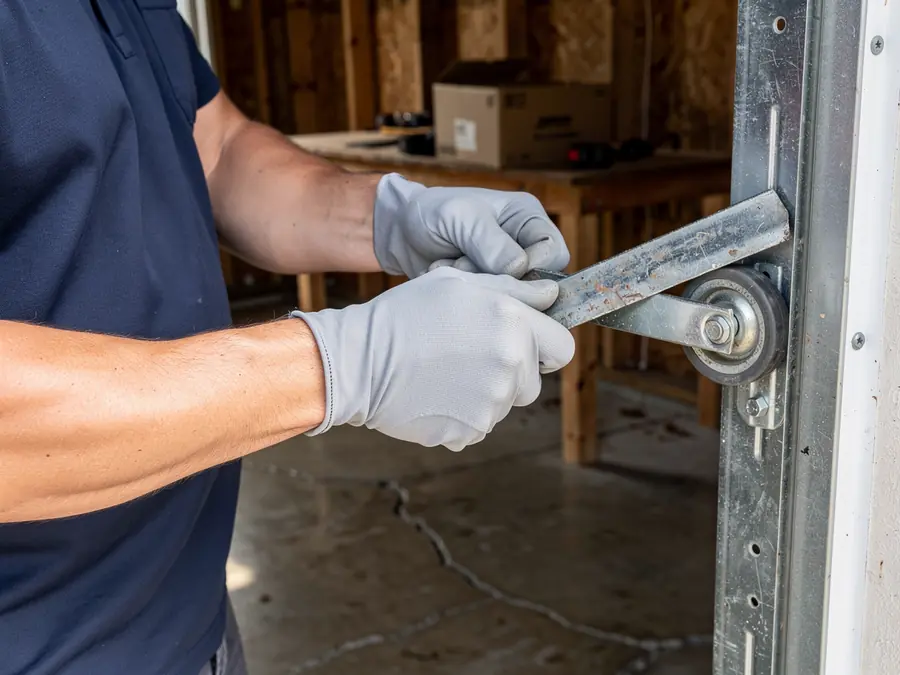
On a house built around 1964, the garage door problems tend to repeat. Single-layer steel panels that have taken sixty years of sun and slam have usually bowed somewhere along the bottom third. Torsion springs on these openings are frequently undersized for the door's actual weight, because the door itself has been swapped once already without anyone re-calculating spring wind for the new slab. Tracks mounted to original framing are often bent inward near the rollers from decades of a low-horsepower chain opener straining against a door that's heavier than it was designed to lift. None of this is unique to one house - it's what you find across a neighborhood built in the same few years, with the same handful of door styles installed by the same handful of builders.
Watch-outs
The service area sits in a cold, moderate climate band, which means freeze-thaw cycling every winter. On a door with a spring that's already undersized for its load, a cold morning start is often the thing that finally snaps it - stiff steel wound tighter than it should be, hit with a cold-start jolt.
Framing is the other recurring issue: headers built for a 1964 opening width don't always match today's standard door sizes, so a straight swap without reframing can leave gaps at the jamb or force an undersized door into an opening that deserves better.
Opener wiring from that era is also frequently not up to current code, and we won't just bolt a new opener to old wiring and call it finished.
On the truck
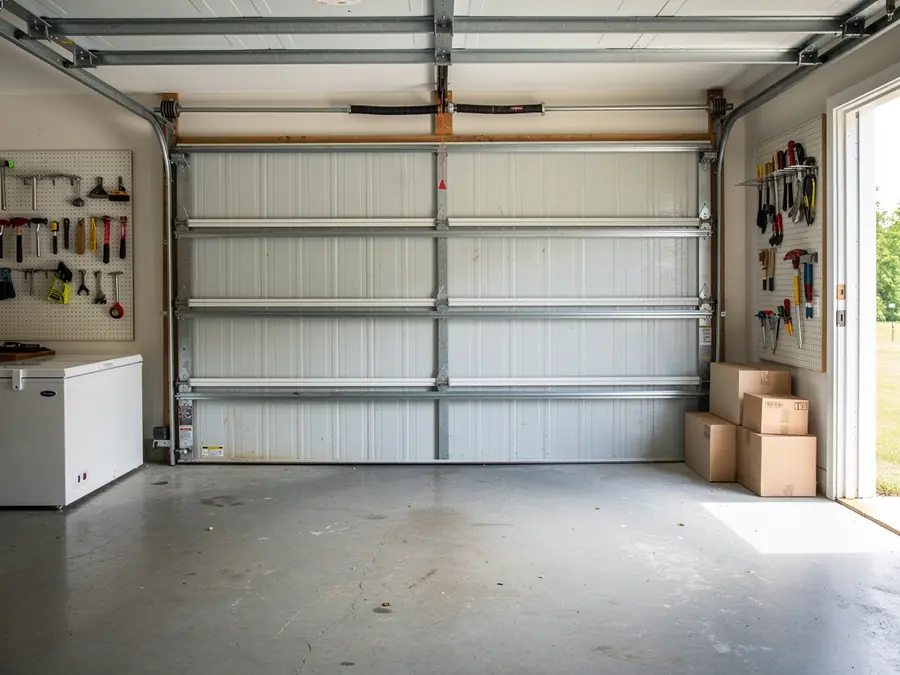
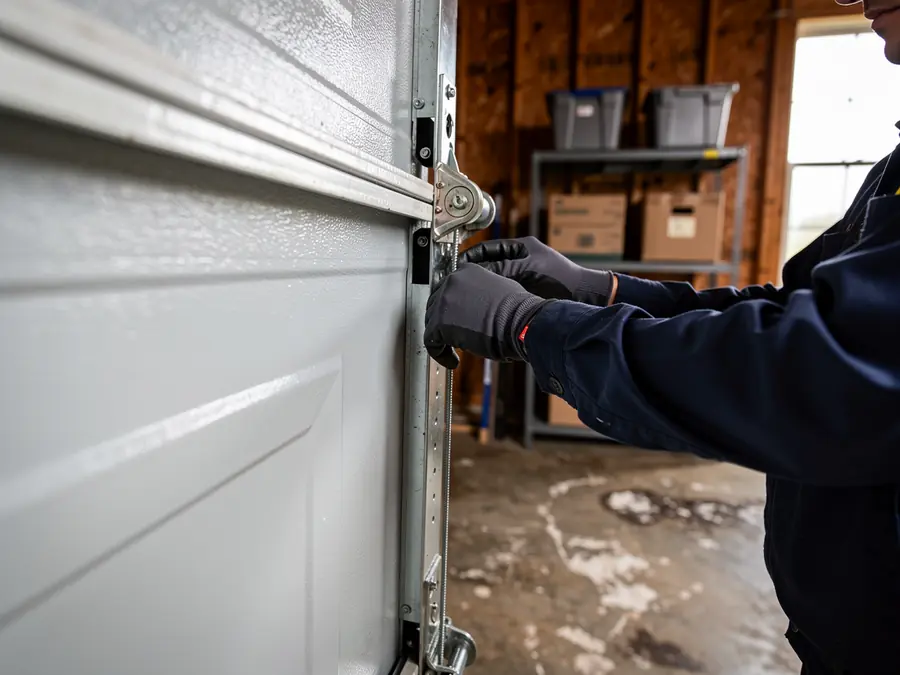
For an Elizabethton install day, the crew coming from Johnson City brings torsion springs wound for both standard steel slabs and heavier insulated doors, since we won't know which one a house needs until we're standing at the opening. We carry jamb brackets and shims sized for older, slightly out-of-plumb framing, plus a range of header heights to match openings that don't match today's standard sizing. Track sections come in both standard and low-headroom configurations, because older garages here sometimes don't leave room for a full-radius track. We also carry GFCI-rated outlets and wiring hardware, since a new opener install is often the point where old garage wiring gets flagged and needs to be brought current.
Questions
We drive in from Johnson City, about 8 miles away. There's no separate Elizabethton branch, so installs here get scheduled on the same board as every other job out of the shop - it doesn't add a same-day guarantee, but the distance is short enough that it rarely pushes a date back.
Sometimes. Openings framed around 1964 don't always match today's standard door widths and header heights, so we measure first. If the opening is close, we can usually fit a new door with minor adjustment. If it's off by more, reframing the header is part of an honest install, not an upsell.
This area sits in a cold, moderate climate band, and an undersized torsion spring under cold-start strain is a common failure point on older doors. If the spring was wound for a lighter door than what's currently installed, winter cold tends to be what finally breaks it.
It depends on the garage's use and your budget. Insulated doors cost more up front, and with Elizabethton's median income running under the wider area's, a lot of homeowners choose a solid steel slab instead. We'll walk through both so the decision is informed, not guessed at.
Explore more
Ready when you are
Johnson City Garage Door Pros repairs and installs garage doors, springs and openers in Johnson City, TN and the surrounding area.